Eco-friendly fashion, switch fast fashion to sustainable style in 6 easy steps.
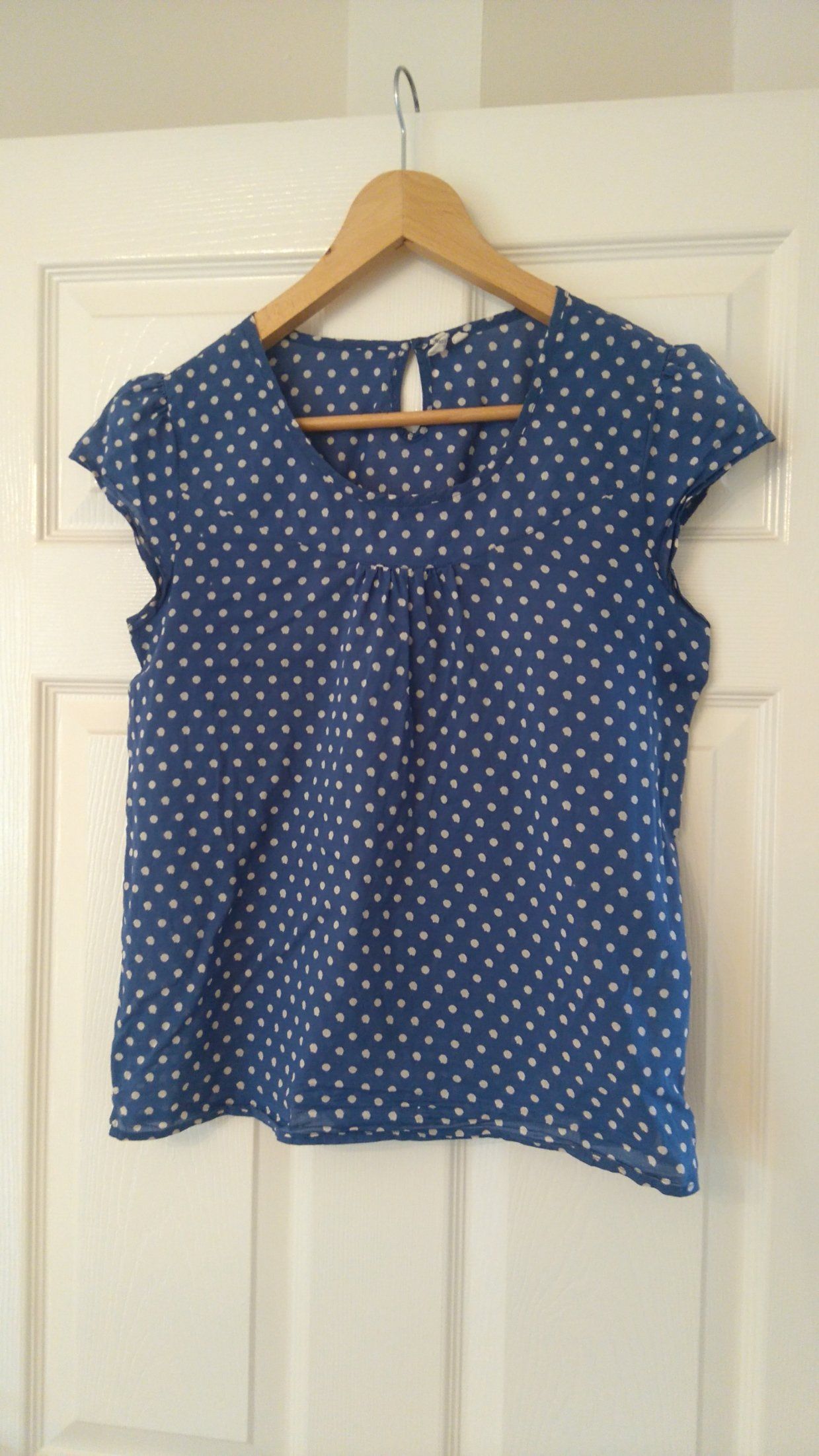
I've started following the same principles I use for keeping rubbish out of my bin to clothing! Fast fashion may be affordable but it comes with a huge environmental cost. Water pollution, toxic chemicals and textile waste are some of the ways clothing can impact negatively on the environment. But most of us value fashion (to a greater or lesser extent) feeling better (or even fabulous!) if we look good and everyone actually wears clothes! So how do the eco-conscious clothe themselves and their family? This is what I do:
Refuse
When I write and talk about zero-waste 'refuse' is the first and main thing I concentrate on. Simply put, if I don't need it or want it I refuse it! Shopping is voting and as consumers we can (and do) influence companies, if no-one buys it they won't sell it! But how do you refuse clothing? What I have started to do is to refuse the clothing that I do not consider to be environmentally sound. So my main 'refuse' is new clothing. To make a new item it requires lots of resources to produce the fabric, turn it into clothing, package it and transport it to a shop.
I do still buy some new clothing but I'm trying to focus on the fabrics that are used and refuse synthetics (that actually shed plastic particles when washed). I've bought three items of new clothing for myself so far this year. Out of these three items two were made of organic cotton like the top above. It was more expensive (though it was in the sale) but as I'm buying a lot less overall I'm spending less on clothes than I used to. One item was underwear, predominantly made of organic cotton, although I am becoming more and more of a crusty hippy I still require my knickers to be new! The other item was a waterproof coat, it is super stylish (in my eyes) and will take me through autumn, spring and summer and I maybe able to layer it with a thick jumper underneath for winter. It has no particular eco-credentials other than it is good quality and I expect it to last, several years at least.
By refusing new clothing (in the main) I have spent around £190 in total in high street clothes shops so far this year (from January to the end of September).
Reduce
By refusing to buy new clothing I have naturally reduced the amount of clothing I have bought. Less is best when it comes to reducing the negative impact of clothing on the environment. Even companies boosting eco-friendly credentials have an impact. Everything we do has an environmental impact so by reducing the amount of clothing I have bought I have reduced my negative impact.
So, I have only been buying clothes when I really need them and keeping hold of clothing I still like. This means some of my clothes are really old! One of my oldest pieces is a cardigan which I bought when I lived in Australia, I've been back in England for 13 years now! I thought it was pretty 'vintage' until I posted about this on Facebook and found many people who follow my page have clothing that they've owned a long time and still wear. The oldest item was a 1960's crocheted poncho worn by Debbie Young-Somers during a camping trip this summer. Wow, I was really impressed at how many people value what clothing they already own, I guess it doesn't necessarily mean they don't buy more but by using what we have got it can help to reduce consumption.
Reuse
There are so many clothes that already exist in the world that we can just keep swapping them around amongst ourselves rather than buying new! With a huge stock of reusable fashion the need to buy new is reduced so making it easy to refuse new clothes and choose to reuse.
I mostly buy from charity shops but also kindly get given some clothing for me and nearly all the clothing for my kids. Then, of course, I pass it on to others (friends with younger children or charity shops). It's a win, win, win!! A bargain for me, charities get supported and the planet breathes a sigh of relief as few resources are needed to reuse clothes!
It takes a bit more time (in a way) to shop like this. I have a list of what clothes I need, this includes currently: blue denim jeans and ankle boots. I can then focus my attention on these items when I go to a charity shop. I have been a few times now but haven't actually found these items yet. I tend to pop into a charity shop when I'm already in town for another reason (last time my daughter wanted to go shopping with her pocket money) rather than make a special trip. I'm not sure if I will find the boots or not, I have started to look at some ethical businesses to buy them new instead especially as the autumn weather is currently setting in. In a way this type of shopping takes less time. I no longer see a Saturday spent on the High Street as a hobby as I once did. I enjoy the clothes shopping I do but it's born from a need for clothing rather than a need to find something to do at the weekend!
I have spent about £50 on second-hand clothing and shoes so far this year. So, adding this to the £190 I spent on new clothes means I've spent about £240 on my clothing in total or £26.67 a month. The UK average for a woman (men actually spend more!) is £74 a month so an eco-friendly way of shopping is definitely affordable for many.
Repair
If you're anything like us, holes appear in clothing almost daily! I've always repaired clothes to save money but now realise I'm protecting the planet too!
So, I have a large (and annoying) mending pile, that I try to tackle regularly (normally whilst watching the telly). This keeps clothes in use, I can easily think of at least 15 items of clothing that are still being worn because they were repaired.
Repurpose
If clothing is beyond repair, I try to make it into something else. We have shorts that used to be jeans, skirts that used to be dresses and even hair bands that used to be tights!
Even if sewing isn't your thing it's easy to turn clothes into hankies, I just use pinking shears to stop them from fraying and a worn out piece of clothing becomes a no-sew hankie. I also make dish cloths, cleaning cloths and even reusable make-up removal cloths from old clothes.
Recycle
Occasionally some clothing is beyond repair or I'm unable to repurpose it, so that's when it gets recycled. I'm fortunate that my council, East Devon, collects clothes (and shoes) in the weekly kerbside collection. This will vary from council to council so it's important to check with yours.
Recycling is last on my list as it's the last thing to do, I'd even go as far as saying the last resort. Recycling is better than throwing clothes in the bin but recycling still uses a lot of resources and energy it is not a quick fix to counter-balance consumerism. Curbing consumerism and, quite frankly, living a simpler life is the way to lower our impact on the planet.
This is what I do and by doing this clothing, generally, stays out of my bin and my impact on the planet is low. What do you think? What's your view on sustainable clothing? Let me know in the comments.
Thank you so much to my patrons who support my writing and are helping to grow my blog. If you have enjoyed this and would like to come on board as a patron, for as little as $1 a month (payable in any currency), you can join my Patreoncommunity where I have some exclusive patron-only posts and a range of other rewards.